

My colleague sat at her desk at 2 p.m., rubbing her temples. Her head was pounding, her eyes felt heavy, and she could not concentrate on the report in front of her. Thinking she needed an energy boost, she reached for another cup of coffee.
It didn’t help.
The real solution had been sitting beside her all morning. Her water bottle. Full. Untouched.
By the time she finally drank a few glasses of water, her headache began to ease, her mind felt clearer, and her energy slowly returned.
This scene plays out every day in offices, homes, schools, and gyms around the world. Many people blame fatigue, brain fog, poor concentration, and low energy on stress or lack of sleep when the real problem is much simpler: they are not drinking enough water.
The benefits of staying hydrated go far beyond satisfying thirst. Proper hydration supports your energy levels, mental focus, physical performance, digestion, skin health, and overall well-being. Yet despite its importance, drinking enough water is one of the most overlooked health habits.
Let’s explore why hydration matters and how this simple daily habit can make you feel and function at your best.
What Is Hydration?
Hydration is the process of providing your body with enough fluid to function properly. Water is essential for nearly every task your body performs, from regulating temperature and transporting nutrients to supporting digestion and lubricating your joints.
In fact, about 60% of the human body is water. Every organ, every cell, and every system relies on it to function efficiently.
The challenge is that your body loses water throughout the day. You lose fluids when you breathe, sweat, urinate, and even when you sleep. If you do not replace those fluids regularly, your body’s water balance begins to drop.
This is known as dehydration. Even mild dehydration can affect your energy levels, concentration, mood, and physical performance. That is why staying hydrated is not just about satisfying thirst—it is one of the simplest ways to support your overall health and well-being.

Why Hydration Matters More Than You Think
Most people wait until they feel thirsty before they drink water. Here is the problem with that: by the time you feel thirsty, your body is already experiencing the effects of dehydration.
Thirst is your body’s late alarm — not its early warning.
Even mild dehydration, just 1 to 2% of your body’s water loss, is enough to affect your mood, concentration, and physical performance. You don’t need to be running a marathon in the summer heat to feel it. Sitting at a desk all day and not drinking enough water will do the same thing, just more slowly.
Water plays a role in almost every function your body performs. It carries nutrients to your cells, regulates body temperature, cushions your joints, supports digestion, and helps your kidneys remove waste. When your water intake drops, these processes become less efficient, leaving you feeling tired, sluggish, and less focused
Perhaps the most overlooked connection is the link between hydration and energy. That mid-afternoon slump many people experience is not always caused by a lack of sleep or too much work. Sometimes it is simply your body asking for more water. In many cases, dehydration disguises itself as fatigue.
Signs You Are Not Drinking Enough Water
Your body is constantly sending signals about its hydration status. The problem is that many people do not recognize them until dehydration has already begun to affect how they feel.
Watch for these common signs of dehydration:
- Dark yellow urine
Pale yellow urine is generally a sign of good hydration. Dark yellow or amber-colored urine may indicate that your body needs more fluids. - Frequent headaches
Even mild dehydration can contribute to headaches by disrupting the body’s fluid balance and reducing blood flow to the brain. - Dry mouth and dry skin
When water levels drop, your body prioritizes essential functions. As a result, your mouth and skin are often among the first places where dehydration becomes noticeable. - Constant hunger
Sometimes your body confuses thirst with hunger. Many people reach for a snack when what they really need is a glass of water. - Difficulty concentrating
Your brain depends on adequate hydration to function efficiently. Even mild dehydration can affect focus, memory, and mental clarity. - Low energy with no obvious cause
When dehydration reduces blood volume, your heart must work harder to circulate blood throughout the body. This extra strain can leave you feeling tired and sluggish.
If several of these signs sound familiar, your body may be telling you that it is time to drink more water.
The Real Benefits of Staying Hydrated
Once you start drinking enough water consistently, you may notice changes sooner than you expect. Here are some of the most important benefits of staying hydrated.
Sharper Focus and Better Energy
Your brain depends on water to function efficiently. When you are properly hydrated, it becomes easier to concentrate, stay alert, and think clearly. Many people notice improvements in focus and mental energy shortly after rehydrating, especially if they have been drinking too little water throughout the day.
Faster Metabolism and Weight Control
Hydration and weight management are more connected than many people realize. Drinking water before meals may help reduce appetite and support portion control. Cold water also causes your body to expend a small amount of energy to warm it to body temperature. While neither effect is dramatic on its own, they can contribute to healthy weight-management habits over time. If you are trying to burn fat, water is a tool you cannot afford to ignore.
Healthier Digestion and Gut Function
Water keeps your digestive system working smoothly. Without enough fluids, digestion can slow down, and constipation becomes more likely. Proper hydration also helps maintain the protective lining of the digestive tract and supports a healthy gut environment. Your gut health depends on consistent water intake more than most people realize.
Better Skin
Your skin reflects your overall hydration status. When you drink enough water consistently, your skin often looks healthier, feels more supple, and maintains its natural elasticity. While water is not a miracle cure for every skin concern, proper hydration supports healthy skin from the inside out.
Stronger Physical Performance
Whether you exercise regularly or simply want more energy for daily activities, hydration plays an important role in physical performance. Well-hydrated muscles function more efficiently, joints move more comfortably, and recovery after activity is often improved.
Research published through the National Institutes of Health has shown that even mild dehydration can negatively affect both physical and cognitive performance. In other words, something as simple as drinking enough water can help your body and mind perform at their best.
Simple Ways to Drink More Water Every Day
Most people know they should drink more water. The challenge is turning that knowledge into a daily habit. Fortunately, staying hydrated does not require complicated rules or expensive products—just a few simple strategies that fit naturally into your day
Start Before You Do Anything Else
Drink a full glass of water as soon as you wake up. After 7 or 8 hours of sleep without drinking, your body begins the day slightly dehydrated. A glass of water first thing in the morning helps replenish lost fluids and gets your hydration off to a strong start.
Carry Water Everywhere
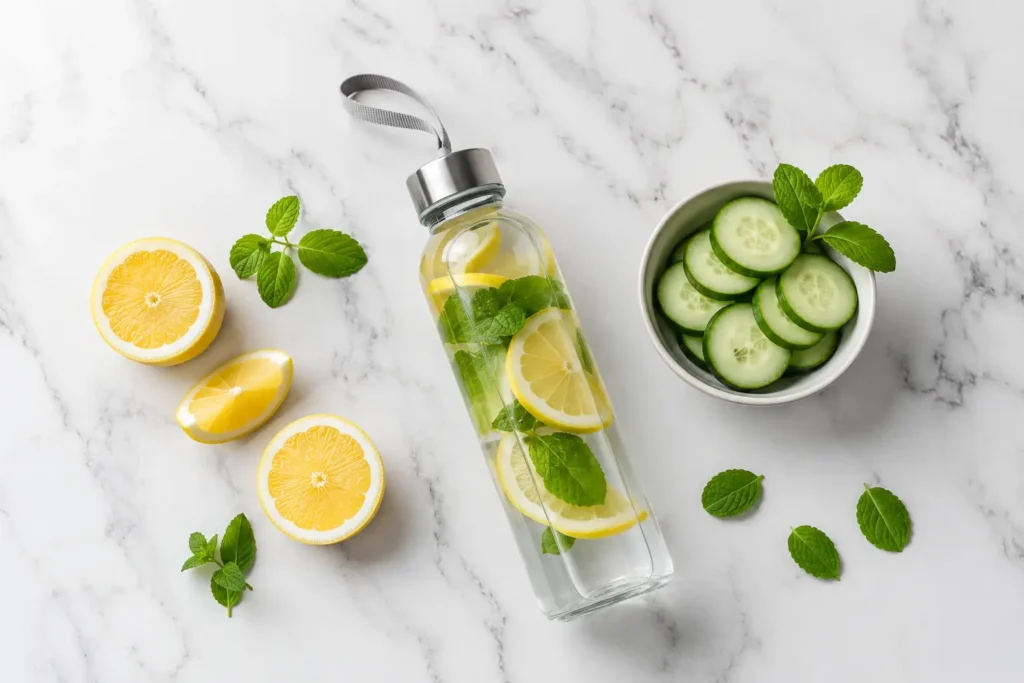
The simplest truth is this: if water is not within reach, you are less likely to drink it. Keep a water bottle at your desk, in your bag, or in your car. Making water visible makes it easier to remember
Eat Your Water
About 20% of daily fluid intake comes from food. Water-rich foods such as cucumber, watermelon, oranges, lettuce, and celery can contribute to your overall hydration. While they are not substitutes for drinking water, they can certainly help. If you are also looking for great no-sugar drink options, there are solid choices beyond plain water.
Tie It to Habits You Already Have
Drink a glass of water before each meal. Have one before your morning coffee. Take a few sips after every bathroom visit. Linking hydration to habits you already perform every day makes it easier to stay consistent without relying on reminders.
Use the Urine Test
One of the easiest ways to monitor hydration is by checking the color of your urine. Pale yellow usually indicates good hydration. Dark yellow may be a sign that you need more fluids. While it is not a perfect measure, it provides a quick and practical way to gauge your hydration status throughout the day.
Common Mistakes People Make With Hydration
Drinking more water sounds simple, but many people unknowingly make mistakes that prevent them from staying properly hydrated.
Waiting until you’re thirsty. By the time thirst appears, your body may already be experiencing the early effects of dehydration. Rather than waiting until you’re thirsty, try drinking water consistently throughout the day.
Drinking most of your water at once. Some people drink large amounts of water in a short period, then go for hours without another sip. Hydration works best when fluid intake is spread throughout the day, giving your body a steady supply of water when it needs it.
Relying on Coffee, Soft Drinks, or Juice. While beverages such as coffee and tea can contribute to your daily fluid intake, they should not be your primary source of hydration. Water remains the simplest and healthiest way to meet your fluid needs without added sugar or excess calories
Not Adjusting for Activity and Weather. Your hydration needs are not the same every day. Exercise, hot weather, illness, and heavy sweating all increase fluid loss. During these times, you may need to drink more water than usual to stay properly hydrated.
Overlooking electrolytes. When you sweat heavily, your body loses not only water but also important minerals such as sodium, potassium, and magnesium. For most people, a balanced diet replaces these minerals naturally. However, during prolonged exercise, intense heat, or heavy sweating, electrolyte-rich foods and drinks may help support hydration.
Conclusion: The Simplest Change With the Biggest Payoff
Here is the truth about hydration. It is not complicated. It is not expensive. It does not require a plan, a supplement, or a special routine.
It just requires attention.
Many people go about their day feeling tired, foggy, and sluggish, unaware that the solution is right in front of them: a glass of water, taken consistently and made into a habit.
The benefits of staying hydrated are not hype. They are not small. They show up in your energy, your skin, your focus, your mood, and your weight. And they start working faster than almost anything else you can do for your health.
So before you pour that third coffee, fill up your water bottle first.
Your body has been asking for it all day.
The good news is that hydration is one of the easiest health habits to improve. Every glass of water is a small investment in how you feel today and how well your body functions tomorrow. Start where you are, stay consistent, and let this simple habit do what it was designed to do: help you feel your best every day.
How much water do you actually drink each day? Be honest. Drop a number in the comments — and share this with someone who needs the reminder.
Frequently Asked Questions
How much water should I drink each day?
There is no single amount that works for everyone. Your water needs depend on your age, body size, activity level, and climate. A common guideline is around 2 to 3 liters per day, but some people may need more, especially if they exercise regularly or live in a hot environment.
Can coffee count toward my daily water intake?
Yes. Coffee contains water and contributes to your daily fluid intake. However, plain water remains the best choice for staying hydrated without added calories, sugar, or stimulants.
What are the first signs of dehydration?
Common early signs include thirst, dark yellow urine, headaches, dry mouth, fatigue, difficulty concentrating, and feeling unusually hungry. Even mild dehydration can affect how you feel and perform throughout the day.
Can drinking more water help with weight loss?
Water can support weight management by helping you feel fuller before meals and reducing the likelihood of mistaking thirst for hunger. While water alone will not cause significant weight loss, it can be a helpful part of a healthy lifestyle.
Is it possible to drink too much water?
Yes. Drinking excessive amounts of water in a short period can dilute important minerals in the blood, particularly sodium. While this is uncommon, it is important to drink according to your body’s needs rather than forcing excessive amounts.
Does drinking water improve skin health?
Proper hydration helps support healthy skin by maintaining moisture and elasticity. While drinking more water will not eliminate all skin concerns, it can contribute to a healthier overall appearance.
What is the best time to drink water?
The best approach is to drink water consistently throughout the day. Many people find it helpful to start the morning with a glass of water and drink regularly before meals, during activity, and whenever they need to replace lost fluids.