


Walking is nature’s most potent—and overlooked—medicine. It is the ultimate foundation of lifelong fitness.
Nobody brags about walking.
People talk about marathon training, five-day gym streaks, and the latest HIIT workout. Walking rarely makes it into those conversations. It feels too simple. Too ordinary. Like something you do to get from one place to another—not something that could transform your health.
But year after year, research continues to confirm the same thing: walking is one of the most powerful habits for improving your health. Yet many people chasing complicated fitness routines overlook this one habit: it costs nothing, requires no equipment or gym membership, and is suitable for almost everyone.
The benefits of walking daily go far beyond burning calories. Regular walking can improve your heart health, sharpen your mind, boost your mood, and even help you live longer. Best of all, the benefits begin sooner than most people realize.
Why Walking Gets No Respect
Over the years, fitness trends have shifted the spotlight toward harder, faster, and more intense workouts. While these forms of exercise certainly have their place, many people have been led to believe that if exercise does not leave them exhausted or drenched in sweat, it probably is not doing much good. Somewhere along the way, walking earned the unfair reputation of being “too easy” to improve your health.
That belief could not be further from the truth.
Decades of research continue to show that regular walking can have a remarkable impact on health. Dr. Thomas Frieden, former Director of the Centers for Disease Control and Prevention, once described walking as “the closest thing we have to a wonder drug.” That statement reflects decades of evidence showing how one simple habit can improve both physical and mental well-being.
Walking at a moderate pace for just 150 minutes each week—about 30 minutes a day, five days a week—can reduce the risk of heart disease, stroke, type 2 diabetes, and several types of cancer. Regular walking also helps lower blood pressure, improve cholesterol levels, support healthy blood sugar levels, strengthen mental well-being, and reduce the risk of cognitive decline.
All of that.
From simply putting one foot in front of the other.
What Happens to Your Body When You Walk Every Day
The advantages of walking regularly extend far beyond stronger muscles or burning calories. Consistent walking benefits nearly every system in your body, often in ways you won’t notice until you make it a habit.
Your Heart Gets Stronger
Your heart is a muscle. Like every other muscle, it becomes stronger when you use it consistently. Walking raises your heart rate just enough to improve cardiovascular fitness without placing excessive stress on your joints or leaving you exhausted. Over time, your heart pumps more efficiently, your blood pressure improves, and your arteries stay healthier and more flexible.
A 2025 study following more than 33,000 adults found that people who took longer, uninterrupted walks had a significantly lower risk of heart disease and premature death—even when their total daily step count wasn’t particularly high. The message is simple: it’s not just about how many steps you take. It’s about walking with purpose
Your Brain Works Better
Walking doesn’t just strengthen your body—it benefits your brain as well. Regular walking increases blood flow to the brain, supports the growth of new neural connections, and triggers the release of endorphins that can improve your mood within minutes.
A 2024 study found that people who walked around 7,000 steps a day had significantly lower odds of depression than those who walked 5,000 steps or fewer. Walking even more offered additional benefits.
Walking also supports long-term brain health. It has been associated with a lower risk of cognitive decline, improved memory, better concentration, and a reduced risk of Alzheimer’s disease. If you’ve ever noticed your best ideas arriving during a walk, there is science behind that. Movement helps your brain perform at its best.
Your Weight Responds
Many people underestimate walking for weight loss because it burns fewer calories than running or cycling. That comparison misses the bigger picture. Walking is one of the easiest forms of exercise to maintain over the long term, which makes it far more sustainable for most people.
A brisk 30-minute walk burns roughly 150 to 200 calories, depending on your body size and walking pace. Done consistently, those calories add up week after week. Regular walking also helps lower stress levels and supports healthier appetite regulation, making it easier to manage your weight over time. Combine it with healthy eating habits, and walking becomes a powerful tool for long-term fat loss.
Your Blood Sugar Stabilizes
One of the greatest rewards of regular walking is its positive impact on blood sugar levels. Even a 10-minute walk after a meal can help reduce the rise in blood sugar that naturally follows eating. As your muscles work, they use glucose for energy, helping remove it from your bloodstream more efficiently.
Over time, regular walking improves insulin sensitivity, allowing your body to process carbohydrates more effectively. For people trying to prevent or manage type 2 diabetes, making walking a daily habit can have a meaningful impact on long-term health.
The Morning Walk Advantage
Timing matters less than consistency, but a morning walk offers a few unique benefits worth knowing about.
Walking outside in the morning, within the first hour of waking, exposes you to natural light. That light signals your brain to reduce melatonin production and activate the natural cortisol awakening response—the healthy rise in cortisol that helps you feel alert and energized. It also helps regulate your circadian rhythm, making it easier to fall asleep and wake up at consistent times.
A morning walk does more than benefit your body. It gives your day a positive start. Completing one healthy habit early often makes it easier to make better choices throughout the day—from eating more mindfully to staying active.
The walk itself is not magic.
The habit is.
How Many Steps Do You Actually Need?
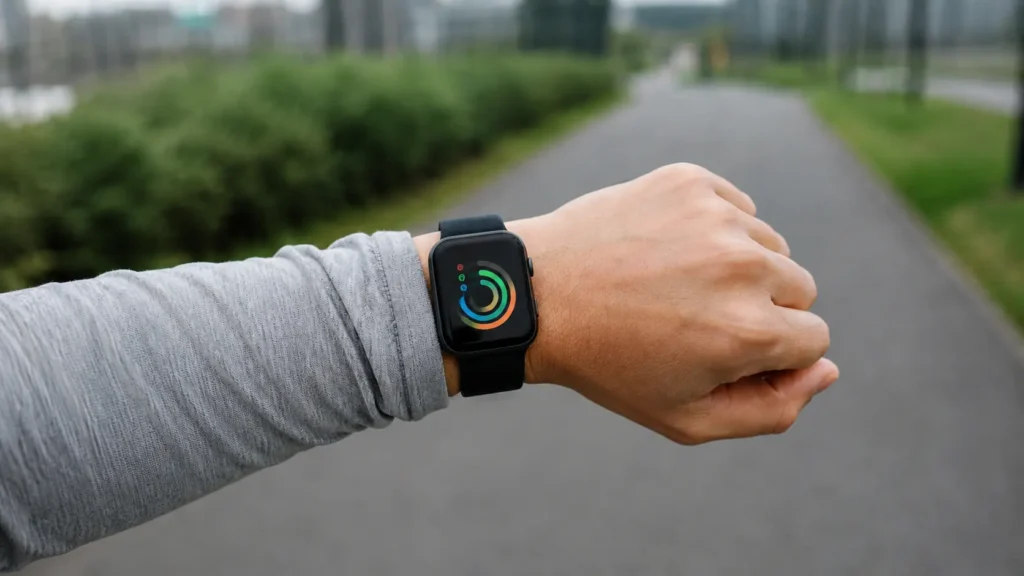
The idea that you need 10,000 steps a day is everywhere. Surprisingly, that number did not come from health research. It originated from a Japanese marketing campaign for a pedometer around the time of the 1964 Tokyo Olympics. The number was chosen because the Japanese character for 10,000 resembles a person walking—not because scientists determined it was the ideal daily target.
So, what does the research actually say?
Most studies suggest that meaningful health benefits begin at around 7,000 steps a day. Beyond 10,000 steps, the benefits continue, but the improvements become more gradual. For most people, 7,000 to 10,000 steps a day is a realistic target that provides significant health benefits without requiring a complete overhaul of their daily routine.
If that still sounds like a lot, consider this: 7,000 steps is roughly 5 to 6 kilometers, or about 60 to 70 minutes of walking spread throughout the day. Most people already accumulate 3,000 to 4,000 steps through everyday activities. Reaching your goal may be easier than you think.
According to the Mayo Clinic, brisk walking—walking fast enough to raise your heart rate while still being able to hold a conversation—provides some of the greatest health benefits. In other words, how you walk can be just as important as how far you walk.
Simple Ways to Walk More Without Rearranging Your Life
Many people think walking requires setting aside a dedicated hour every day. In reality, some of the easiest ways to walk more are to fit it into your existing routine.
Sneak Steps Into Your Day – Turn your everyday routine into an opportunity to move more. Pace while talking on the phone, park a little farther from the entrance, take the stairs instead of the lift, and walk to grab your lunch instead of ordering delivery. While these small changes don’t replace a dedicated daily walk, they can easily add thousands of extra steps without demanding extra time or effort.
Start Your Day With a Walk – Even a 20-minute morning walk can completely shift your day. Leave your phone behind, skip the podcast, and simply focus on the morning quiet. Dedicated walkers don’t see it as another workout to tick off. They treat it as a non-negotiable part of their daily routine.
Walk After Dinner – Make your evening meal the cue for a quick movement habit. A brief walk around the block helps keep your blood sugar steady and clears your mind after a long day. This simple habit helps your body and mind transition into a more restful night.
Walk To Boost Your Recovery – Don’t spend your rest days sitting still. Hard training deserves smart recovery. A gentle walk increases blood flow to your muscles, reduces stiffness, and supports recovery without placing additional stress on your body. It keeps you moving, helps you recover more comfortably, and leaves you better prepared for your next workout.

The Mistakes That Hold People Back
Pick Up The Pace – A window-shopping stroll is better than sitting on the couch, but a brisk walk delivers greater health benefits. To get the most from your walk, pick up the pace until your body feels warm, your heart rate rises, and your breathing becomes deeper. You don’t need to run or race—just walk with purpose. That simple change can make an ordinary walk far more effective.
Weatherproof Your Routine – Rain, wind, or cold weather should not automatically put your walking routine on hold. Instead of waiting for perfect conditions, dress appropriately and head outside when it is safe to do so. Over time, you will realize that lasting health is built through consistency, not perfect weather.
Gym vs. Walking – Stop treating the gym and walking as competitors—they complement each other. While strength training builds muscle and power, regular walking improves cardiovascular fitness and supports recovery between harder workouts. Together, they create a balanced approach to fitness while supporting the principles of functional fitness, helping you move better, recover faster, and stay active for life.
Waiting To Feel Motivated. Relying on motivation to exercise is a losing battle. People who walk consistently succeed because they rely on routine rather than feelings. Commit to stepping out the door every day, regardless of your mood. Build the habit first, and the motivation will often follow.
Conclusion: The Exercise Everyone Already Knows How to Do
There is a reason the world’s longest-lived populations—from the Blue Zones of Okinawa, Sardinia, and Ikaria—share one physical habit above almost all others. Not marathon running. Not gym training. Walking. It is woven naturally into their daily lives: consistent, unhurried, and repeated year after year.
For something so ordinary, walking has an extraordinary impact on human health. It strengthens your heart, sharpens your mind, helps regulate blood sugar, supports a healthy weight, lifts your mood, and keeps your body moving well as the years go by. Few habits influence so many aspects of health while asking so little in return.
Perhaps the greatest strength of walking is not its effectiveness.
It is how sustainable it is.
You do not need expensive equipment, a gym membership, or exceptional fitness. You do not have to push yourself to exhaustion or recover for days afterward. You simply have to keep showing up, one walk at a time.
Start with 20 minutes today. Tomorrow, do it again. Small walks become daily walks. Daily walks become lifelong habits. And lifelong habits are what quietly build a healthier, stronger, and more energetic life.
Years from now, your body will not remember the excuses that kept you indoors.
It will remember every step you chose to take.
Frequently Asked Questions
How many minutes should I walk each day?
Aim for at least 30 minutes of brisk walking on most days of the week. Even shorter walks can provide health benefits when done consistently.
How many steps should I take each day?
Most research suggests that around 7,000 to 10,000 steps a day provides significant health benefits for most adults.
Is walking enough to lose weight?
Yes. Combined with a healthy diet, regular walking can help you burn calories, manage your weight, and reduce body fat over time.
Is it better to walk in the morning or the evening?
The best time to walk is the time you can stick to consistently. Morning walks can boost energy and support your body’s natural sleep-wake cycle, while evening walks can help regulate blood sugar after meals.
How fast should I walk for health benefits?
Walk at a brisk pace that raises your heart rate and makes your breathing slightly deeper while still allowing you to hold a conversation.
Can walking improve mental health?
Yes. Regular walking can reduce stress, improve mood, lower symptoms of anxiety and depression, and support long-term brain health.
Is walking better than running?
Neither is universally better. Walking is lower-impact, easier to maintain long-term, and suitable for most people, while running burns more calories in less time.
Should I walk every day?
Yes. Daily walking is one of the simplest and most sustainable habits for improving heart health, fitness, and overall well-being.